

Understanding Gutter Installation in Arkansas
Gutter installation in Arkansas is a important aspect of home maintenance, especially given the region’s unique atmosphere and weather patterns. Eavestroughs, frequently referred to as gutters, are crucial for directing rainwater away from a home’s foundation, preventing water damage, and preserving the structure over time. Arkansas experiences a diverse range of weather conditions, from heavy rainfall in the spring and summer to sudden temperature changes that can affect materials. Understanding how to install and maintain gutters in this environment is key to ensuring long-term results.
In Arkansas, the climate plays a major role in determining the best approach to gutter setup. The state sees a mix of humid and subtropical weather, with mean annual rainfall that can vary by region. For example, Little Rock and Fayetteville often experience significant rain during the spring months, which can cause water pooling around a home’s foundation if gutters are not effectively installed. This is why it’s important to choose the right materials and configuration for your home’s specific location.
Arkansas is also known for its varied geography, which includes both flat plains and hilly areas. This alteration affects how water flows and how gutters should be designed. In hilly regions like Fayetteville, gutters must be installed to control increased runoff, while in flatter areas, the focus may be on preventing water from gathering around the foundation. These local conditions make it important to work with professionals who understand the unique challenges of gutter installation in Arkansas.
Frequent Gutter Types Used in Arkansas
When it comes to gutter installation in Arkansas, the selection of materials is critical. Residential homes in the state often use a variety of gutter types, each with its own advantages and disadvantages. The most typical materials include vinyl, aluminum, and steel, each suited for distinct conditions and budgets. Recognizing the differences between these choices can support homeowners make informed decisions about their gutter systems.
In Arkansas, vinyl gutters are a popular option for their affordability and ease of installation. They are lightweight, resistant to corrosion, and can be painted to match the property’s exterior. Nevertheless, they may not be the best option in areas with extreme weather conditions, as they can become brittle over time. Aluminum gutters, on the other hand, are more sturdy and resistant to rust, making them a better fit for the state’s humid climate. They are also lighter than steel and easier to put in, which is a serious advantage for many property owners.
Steel gutters are another option, but they are less often used in Arkansas due to their heavier weight and higher susceptibility to rust. However, some property owners may choose steel for its strength and longevity, specifically in areas with heavy rainfall or regular storms. The option of materials will depend on the exact calls for of the home, the local climate, and the budget available for gutter installation.
Vinyl Gutters in Arkansas
Vinyl gutters are a popular choice for many homeowners in Arkansas, particularly those looking for an affordable and low-maintenance option. These gutters are made from polyvinyl chloride (PVC) and are known for their durability in a variety of weather conditions. In Arkansas, where the climate can be humid and prone to sudden temperature changes, vinyl gutters offer a reliable solution for managing rainwater.
The expense of vinyl gutters in Arkansas is generally lower than that of aluminum or steel options, making them an attractive choice for economical homeowners. https://pine-bluff-ar.agmguttershorsehoebend.com/ However, while they are resistant to rust and corrosion, they can become brittle over time, especially in areas with extreme weather conditions. This means that homeowners in regions like Little Rock, where heavy rainfall is common, may need to replace vinyl gutters more frequently than those in drier areas.
Maintenance for vinyl gutters is relatively simple. They require frequent cleaning to prevent clogs and ensure proper water flow. In Arkansas, where leaves and debris can accumulate rapidly during the spring and fall, it’s important to inspect and clean gutters often. This helps prevent water from overflowing and damaging the home’s groundwork or walls. For homeowners who want a minimal-effort option, vinyl gutters can be a great fit, provided they are mounted correctly and maintained properly.
Aluminum Gutters in Arkansas
Aluminum gutters are a popular choice for many homeowners in Arkansas, especially in areas with a moist climate. These gutters are lightweight, durable, and immune to erode and degradation, making them ideal for the state’s climate. In Arkansas, where rainfall can be heavy and unforeseen, aluminum gutters provide a trustworthy solution for channeling water away from the home.
The toughness of aluminum gutters is one of their main merits. Unlike vinyl gutters, which can become brittle over time, aluminum is unlikely to break or shatter under pressure. This makes them a good choice for areas with intense weather, such as Little Rock, where intense storms are frequent. Additionally, aluminum gutters can be tinted to match the home’s outward appearance, offering both usefulness and aesthetic charm.
Weather ability is another key consideration when choosing aluminum gutters in Arkansas. The state’s weather can be uncertain, with sudden changes in temperature and moisture. Aluminum gutters are developed to resist these conditions, making them a lasting and trustworthy solution for homeowners. In areas like Fayetteville, where the terrain can influence water movement, aluminum gutters can be mounted to ensure proper water removal and avoid water injury.
How Arkansas Climate Affects Gutter Installation
The climate in Arkansas has a substantial impact on gutter installation, influencing the selection of materials, design, and servicing practices. The state experiences a mix of humid and subtropical weather, with varying levels of rainfall across different regions. Recognizing how these conditions affect gutters is essential for making sure their effectiveness and longevity.
Arkansas is known for its heavy rainfall, notably in the spring and summer months. In cities like Little Rock, where the average annual rainfall is relatively high, gutters must be designed to tackle large volumes of water. This means that the size and slope of the gutters must be closely considered to stop overflow and water wear. Moreover, the materials used must be able to withstand prolonged exposure to moisture without deteriorating.
The weather in Arkansas can also be unpredictable, with sudden temperature changes and strong storms. These conditions can cause gutters to expand and contract, leading to stress on the setup. In areas like Fayetteville, where the terrain is hilly, the impact of weather on gutters can be even more pronounced. Appropriate installation and the use of high-standard materials are essential to ensure that gutters can handle these challenges.
Best Materials for Arkansas Weather
When selecting materials for gutter installation in Arkansas, it’s essential to choose alternatives that can withstand the state’s unique weather conditions. The right materials can make a substantial difference in the operation and longevity of a gutter system, especially in areas with high rainfall and humidity. Sheet metal is commonly considered the best selection for Arkansas weather due to its durability, resistance to rust, and ability to handle heavy rainfall.
Aluminum gutters are lightweight, making them easier to install and less likely to cause structural wear to the home. They are also resistant to corrosion, which is a major concern in the state’s humid climate. In cities like Little Rock, where heavy storms are common, aluminum gutters provide a dependable solution for managing rainwater. Their ability to withstand extreme weather conditions makes them a popular choice among homeowners and professionals alike.
In addition to aluminum, other materials such as vinyl and steel are also used in Arkansas. However, vinyl gutters may not be the best option for areas with extreme weather conditions, as they can become brittle over time. Steel gutters, while strong, are more prone to rust and require more maintenance. For most homeowners in Arkansas, aluminum gutters offer the best balance of durability, cost, and performance.
Cost of Gutter Installation in Arkansas
The price of gutter installation in Arkansas differs depending on several factors, including the type of materials used, the size of the home, and the complexity of the installation. On average, homeowners can expect to pay between $3 and $7 per linear foot for gutter installation, with the total cost ranging from $300 to $1,500 for a typical home. These figures can vary based on the specific needs of the property and the local market conditions.
In Arkansas, the choice of materials has a direct impact on the overall cost. PVC gutters are generally the most affordable option, with prices ranging from $2 to $4 per linear foot. Aluminum gutters are slightly more expensive, typically costing between $3 and $6 per linear foot. Iron gutters, while durable, tend to be the most expensive option, with prices ranging from $5 to $8 per linear foot. Homeowners should consider their budget and the long-term benefits of each material when making a decision.
Installation costs can also vary depending on the complexity of the job. For example, homes with unique architectural features or difficult access points may require more labor and time, increasing the overall cost. In cities like Fayetteville, where the terrain can affect water runoff, additional planning and installation may be necessary to ensure proper drainage. It’s important to work with a professional who understands the local conditions and can provide an accurate estimate for the project.
Gutter maintenance in Arkansas
Proper maintenance is important for ensuring that gutters operate effectively in Arkansas. Regular cleaning and inspection can prevent blockages, spills, and harm caused by strong downpours. In the state’s moist environment, where foliage, dirt, and debris can gather quickly, it’s crucial to keep up of upkeep to avoid problems that can lead to moisture damage.
One of the most important elements of gutter care in Arkansas is tidying. Property owners should review their gutters at minimum two times per year, ideally in the early season and fall, to remove any collection that could cause obstructions. In regions like Little Rock, where intense rainfall is common, more frequent cleaning may be required to prevent overflow and water-related damage. Employing a stepstool and a gutter device or a water hose can support eliminate waste and ensure adequate water movement.
In moreover, property owners should look for indications of injury or deterioration. Cracks, spills, and drooping gutters can each indicate a challenge that requires to be handled. In Arkansas, where the environment can be uncertain, it’s crucial to detect these problems promptly to avoid expensive fixes. Ongoing upkeep not only prolongs the life of the gutter setup but also helps safeguard the home from moisture-based damage.
Professional Gutter Installation Procedure
The qualified gutter installation procedure in Arkansas involves numerous key steps to make sure that the system is appropriately designed and installed. A well-executed installation can support prevent water damage, boost drainage, and extend the life of the gutter installation. The procedure usually begins with an assessment of the home’s roof and existing gutter installation, followed by the selection of materials and the actual installation.
The first step in the installation process is to evaluate the home’s needs. This includes determining the size and type of gutters required, as well as the number of downspouts needed to handle the expected rainfall. In Arkansas, where rainfall can be heavy, it’s important to ensure that the system is designed to handle large volumes of water. This may involve adjusting the slope of the gutters or adding additional downspouts in areas with high runoff.
Once the design is finalized, the installation begins. This involves securing the gutters to the roofline using brackets and fasteners, ensuring that they are properly sloped to direct water away from the home. In areas like Fayetteville, where the terrain can affect water flow, additional planning may be necessary to ensure that the system functions effectively. After installation, the gutters are tested to ensure that they are working correctly and that there are no leaks or blockages.
Arkansas Building Codes for Gutters
Arkansas has specific building codes and regulations that apply to gutter installation, ensuring that all systems meet safety and effectiveness standards. These codes are developed to protect homeowners and ensure that gutters are installed properly to prevent water damage and other issues. Understanding these regulations is vital for anyone planning to install or repair gutters in the state.
One of the key aspects of Arkansas building codes is the requirement for adequate drainage. Gutters must be installed in a way that channels water away from the home’s foundation, preventing issues such as basement flooding and soil erosion. In cities like Little Rock, where intense rainfall is common, these requirements are specifically important to ensure that the system can handle significant volumes of water.
Another crucial regulation is the use of recognized materials. In Arkansas, certain materials are required to meet particular standards for durability and weather resistance. For example, aluminum gutters are often chosen in the state’s moist climate due to their resistance to oxidation and deterioration. Homeowners should work with technicians who are familiar with local regulations and can ensure that the installation meets all required requirements.
Signs Your Gutters Need Repair in Arkansas
Homeowners in Arkansas should be notified of the signs that indicate their gutters may need repair. Timely detection of issues can prevent more serious problems and reduce the need for expensive repairs. One of the most common signs is water pooling around the foundation of the home, which can lead to foundation damage and mold development. In areas like Fayetteville, where the landscape can affect water flow, this issue can be more evident.
Another sign that gutters need repair is sagging or pulling away from the house. This can be caused by improper installation, injury from intense rainfall, or the mass of debris. In Arkansas, where the climate can be uncertain, it’s vital to address these issues as soon as they appear to prevent further damage. Gaps or seepage in the gutters are also a clear indication that repairs are needed, as they can lead to water damage and lower effectiveness.
In addition to these signs, residents should also look for signs of rust or corrosion, particularly in areas with high humidity. Aluminum gutters are typically resistant to rust, but in some cases, they may still show signals of wear. Regular inspections and upkeep can support detect these concerns early, ensuring that the gutter installation continues to function correctly.
What are the most common types of gutters used in Arkansas?
Frequent types of gutters used in Arkansas include vinyl, aluminum, and steel. Vinyl gutters are affordable and easy to put in, making them a popular selection for many homeowners. Aluminum gutters are durable and resistant to rust, making them well-suited for the state’s humid climate. Steel gutters are strong but less frequently used due to their susceptibility to rust and higher cost. For trustworthy Gutter Installation in Arkansas in Arkansas, AGM Gutters offers skilled guidance and practical options.
How do climate conditions in Arkansas affect gutter installation?
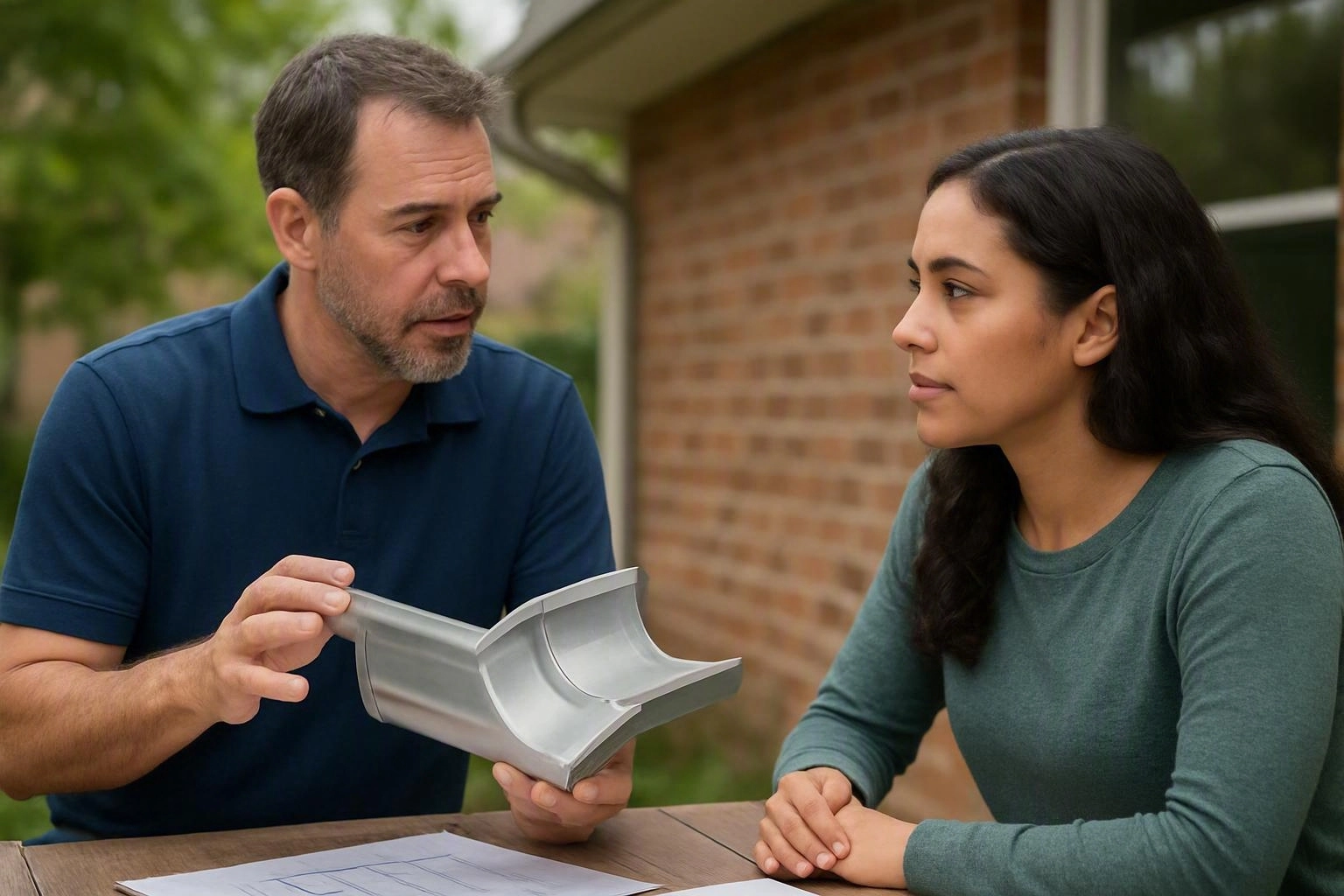
The climate in Arkansas, which includes heavy rainfall and humidity, plays a significant role in gutter installation. Homeowners must choose materials that can withstand these conditions, such as aluminum, which is resistant to rust and corrosion. Proper installation and design are also essential to ensure that gutters can handle large volumes of water and prevent damage to the home.
What materials are best suited for Arkansas weather?
Aluminum is considered the best material for gutter installation in Arkansas due to its durability, resistance to rust, and ability to handle heavy rainfall. Vinyl gutters are also used for their affordability, but they may not be as long-lasting in extreme weather conditions. Steel gutters are less common due to their higher cost and susceptibility to rust.
What is the typical cost of gutter installation in Arkansas?
The cost of gutter installation in Arkansas typically ranges from $3 to $7 per linear foot, with the total cost for a typical home ranging from $300 to $1,500. The price can vary based on the materials used, the size of the home, and the complexity of the installation. Vinyl gutters are generally the most affordable, while aluminum and steel gutters are more expensive but offer greater durability.
What are the processes involved in professional gutter mounting?
The professional gutter setup method in Arkansas involves several essential procedures, including an first review of the home’s needs, the choice of appropriate supplies, and the true mounting. This includes fastening the gutters to the ridge, making sure proper slope for water drainage, and testing the setup to confirm it functions correctly. In areas like Fayetteville, where the land can influence moisture runoff, additional preparation may be important to ensure the setup operates properly.