

Understanding Gutter Sizing in Arkansas
Selecting the right gutter size for your home in Arkansas is essential for effective rainwater management. The state's climate, which includes significant rainfall and occasional severe storms, demands a gutter installation that can handle large volumes of water. Gutter size immediately impacts how efficiently your home is protected from water damage. A appropriately sized gutter makes sure that rainwater is directed away from your foundation, avoiding problems like basement flooding, erosion, and structural harm.
Arkansas climate varies across the state, with cities like Little Rock and Fayetteville experiencing different rainfall patterns and storm frequencies. These considerations influence the best gutter size for your home. A standard 5-inch gutter is commonly used in many regions, but in areas with higher rainfall, a 6-inch gutter may be more suitable. The goal is to match the gutter size with the roof’s drainage calls for and the local rainfall intensity.
Home protection is a key consideration when selecting gutter size. Gutters that are too small can lead to overflow, which can damage your home’s exterior and interior. On the other hand, oversized gutters may not be necessary and could be more expensive. Understanding the relationship between gutter size, rainfall, and home protection helps homeowners make informed decisions that ensure long-term durability and functionality.
How Arkansas Weather Influences Gutter Installation
Arkansas weather carries a major role in choosing the best gutter installation approach for homes. The state encounters a humid subtropical climate, which means it sees a lot of rainfall throughout the year. This climate condition necessitates gutters that can handle high volumes of water without overflowing. The frequency and intensity of storms in Arkansas also influence how gutters are installed and maintained.
Rainfall patterns in Arkansas alter by region. For example, Little Rock receives an average of 50 inches of rain annually, which means homes in this area need gutters that can manage a large amount of water. In Fayetteville, heavy summer thunderstorms can create sudden downpours that require gutters with sufficient capacity. These local weather conditions highlight the importance of selecting the right gutter size to prevent water damage and ensure long-term performance.
Storm frequency is another key factor. Arkansas is susceptible to severe weather, including thunderstorms and occasional tornadoes. These events can cause sudden and heavy rainfall, which creates extra stress on a home’s gutter system. https://dok.kompot.si/_mraZJyYS0uCbOsAop7Eow A well-designed gutter system with the right size can help manage these challenges and protect your home from water-related issues. Gutter sturdiness is also essential, as it ensures that your system can withstand the elements over time without needing frequent repairs.
Popular Gutter Materials for Arkansas Homes
When it comes to gutter installation in Arkansas, the selection of material is just as essential as the size. Different materials offer varying levels of durability, cost, and maintenance needs. Property owners in Arkansas frequently pick from aluminum, steel, and vinyl gutters, each with its own advantages and considerations.
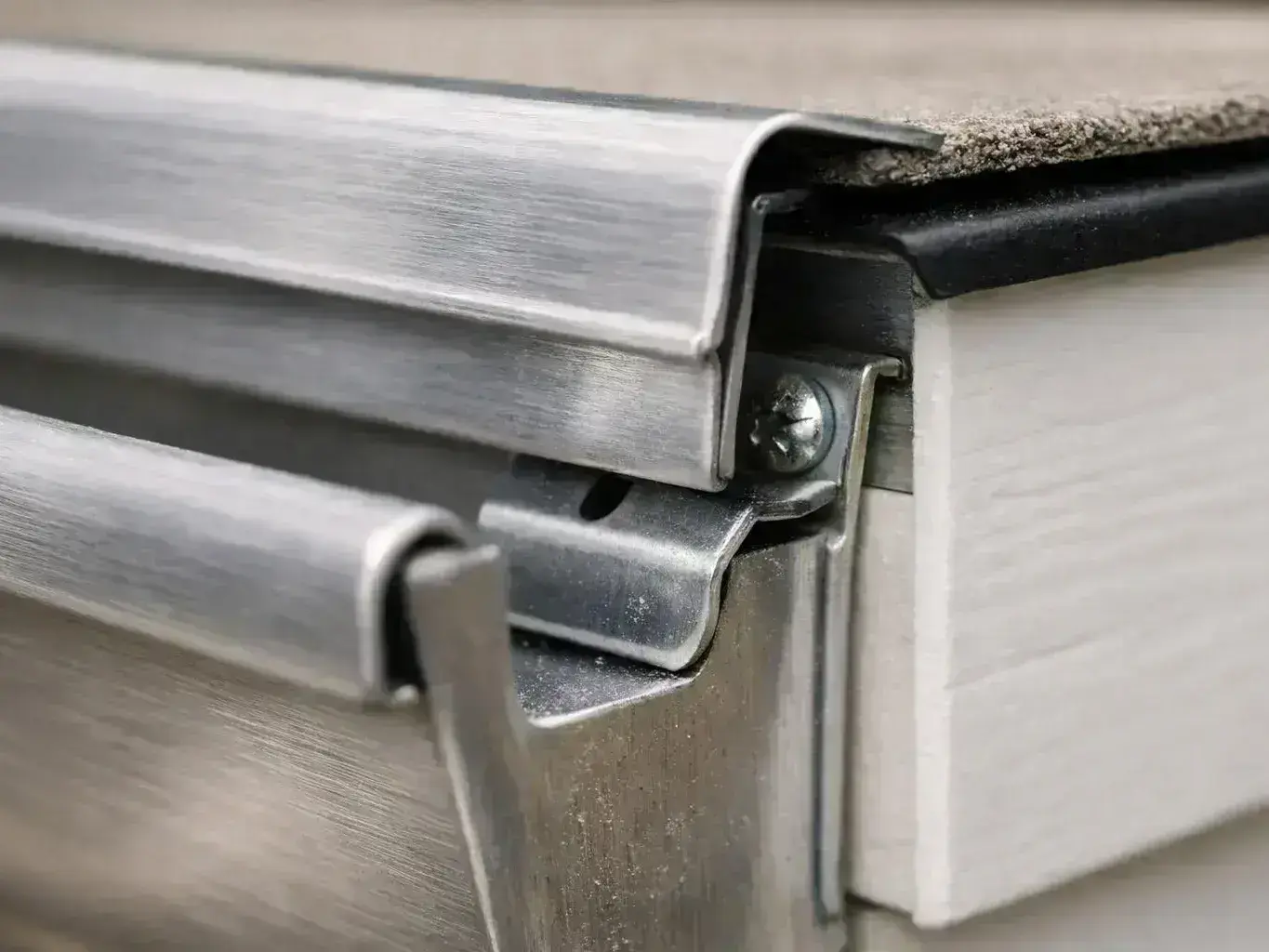
Aluminum gutters are a popular choice because they are lightweight, corrosion-resistant, and relatively affordable. They are specifically well-suited for areas like Little Rock and Fayetteville, where the climate includes both heavy rain and high humidity. Their resistance to rust makes them a good long-term investment for Arkansas homes.
Steel gutters are known for their strength and durability. They are ideal for homes in regions like Springfield, where frequent springtime storms can place extra stress on the gutter setup. However, steel gutters may need more maintenance, especially in areas with high humidity, as they are more prone to rust if not appropriately coated.
Vinyl gutters are another option, offering a low-servicing solution for residents. They are resistant to corrosion and can be a good selection for those looking for an affordable and easy-to-set up option. Still, they may not be as long-lasting as aluminum or steel in extreme weather conditions.
Aluminum Gutters in Arkansas
Aluminum gutters are a popular selection for homeowners in Arkansas due to their combination of affordability, durability, and resistance to corrosion. https://pad.koeln.ccc.de/HQOIy_YYSMSh-FNmcthfRA In cities like Little Rock and Fayetteville, where the climate includes both heavy rainfall and high humidity, aluminum gutters provide trusted efficiency without the need for frequent maintenance. Their lightweight nature also makes them easier to install and less likely to cause structural damage to the home.
One of the key advantages of aluminum gutters is their ability to withstand the elements. Unlike steel, which can rust over time, aluminum is naturally resistant to corrosion. This makes it a good option for areas with high rainfall, such as Little Rock, where homes need a gutter system that can handle consistent exposure to moisture. In Fayetteville, where summer thunderstorms can bring sudden downpours, aluminum gutters help manage large volumes of rainwater without becoming overwhelmed.
Aluminum gutters are also available in a variety of designs and shades, allowing homeowners to choose an selection that matches their home's exterior. Their flexibility and extended durability make them a suitable option for Arkansas homeowners looking for a reliable and cost-effective gutter solution.
Steel Gutters in Arkansas
Steel gutters are famous for their sturdiness and durability, making them a solid option for homeowners in areas of Arkansas that face recurring storms. In urban areas like Springfield, where seasonal storms can introduce intense rain and strong winds, steel gutters supply the structural support needed to handle these conditions. Their capacity to resist pressure and avoid warping makes them a reliable option for homes in vulnerable regions.
One of the primary advantages of steel gutters is their longevity. When properly maintained, they can survive for decades, even in areas with excessive rain and extreme weather. However, steel gutters are more susceptible to oxidation than aluminum or vinyl, especially in moist environments. To counteract this, many steel gutters are finished with a protective layer, such as corrosion protection, which reduces oxidation and prolongs their life.
In locales like Arkansas, where the environment includes both intense rainfall and high humidity, steel gutters can be a solid choice for homeowners who emphasize resilience. They are particularly beneficial for homes that are located in areas with a history of severe weather, such as Arkansas storms that can lead to abrupt heavy rain. Selecting the appropriate kind of steel gutter and ensuring proper installation can aid in optimizing their performance and durability. https://postheaven.net/columnbean54/smart-preparing-for-gutter-installation-in-arkansas-climate-driven
Gutter guidance for Arkansas residents
Proper gutter mounting is crucial for ensuring that your system functions efficiently in Arkansas' environment. Complying with the proper installation procedure can assist stop usual challenges like leaks, clogs, and overflow. A of the greatest critical tasks is to ensure that the gutter measure is ideal for your home’s roof and the area precipitation habits. A experienced technician can assist identify the optimal size based on your specific demands.
Arkansas building standards also play a role in gutter installation. These regulations set lowest criteria for components, slope, and fixing approaches to make sure that gutters are safe and efficient. Homeowners should collaborate with authorized professionals who are well-versed with local guidelines to avoid possible problems during installation. This is particularly key in towns like Little Rock and Fayetteville, where structure codes may differ slightly from one location to another.
Working with professional contractors is further important element in a productive gutter installation. These experts have the knowledge and practice to deal with the distinct challenges of Arkansas weather, such as strong precipitation and unexpected storms. They can as well help with care planning, guaranteeing that your system continues in fine shape over period. Regular service, including washing and review, is essential for ensuring your gutters functioning well and preventing high repairs.
Cost of Gutter Installation in Arkansas
The expense of gutter installation in Arkansas can change depending on several factors, including the scale of the system, the elements used, and the complexity of the installation. Typically, homeowners can plan to pay between $5 and $10 per running foot for standard installation. This range can rise for larger homes or more complex designs, such as those with multiple roof types or distinctive architectural features.
In metropolitan areas like Little Rock, where the average rainfall is more, the cost of gutter installation may be somewhat more due to the need for larger or more durable systems. Homeowners should also take into account the enduring advantage of their commitment, as a well-installed gutter system can offer years of defense and reduce the possibility of liquid harm. While the initial cost may seem high, it can save cash in the long run by stopping expensive maintenance and upkeep.
For homeowners trying to handle their budget, it’s vital to get many price offers from credible installers. This provides for a evaluation of rates and support, ensuring that you obtain a fair and equitable price. Furthermore, some organizations, like AGM Gutters, provide installation services adapted to the specific needs of Arkansas homes, supporting homeowners reach informed resolutions about their gutter systems.
FAQ
What are the most typical types of gutters used in Arkansas?
Aluminum, steel, and vinyl gutters are the most frequent types used in Arkansas. Each material has its own advantages, with aluminum being popular for its corrosion resistance, steel for its durability, and vinyl for its affordability and low maintenance.
How do climate conditions in Arkansas affect gutter installation?
Arkansas' humid subtropical climate, with its high rainfall and frequent storms, means that gutter setups must be able to tackle large volumes of water. The size and material of the gutters are frequently chosen based on area weather patterns to make sure effective rainwater management.
What materials are best suited for Arkansas weather?
Aluminum gutters are well-suited for Arkansas' climate due to their resistance to corrosion and ability to manage heavy rainfall. Steel gutters are also a good option for areas with common storms, while vinyl gutters offer a low-maintenance solution for property owners looking for an affordable option.
What is the standard cost of gutter installation in Arkansas?
The cost of gutter installation in Arkansas usually ranges from $5 to $10 per linear foot. This can vary based on the size of the installation, the materials used, and the complexity of the installation. In cities like Little Rock, where rainfall is higher, the cost may be slightly higher to accommodate larger or more sturdy installations.
What are the steps involved in experienced gutter installation?
Qualified gutter installation typically involves assessing the home’s needs, selecting the appropriate materials and size, preparing the roof and fascia, installing the gutters, and ensuring proper slope and drainage. A licensed installer will also provide maintenance tips to help homeowners keep their system in good condition over time.